
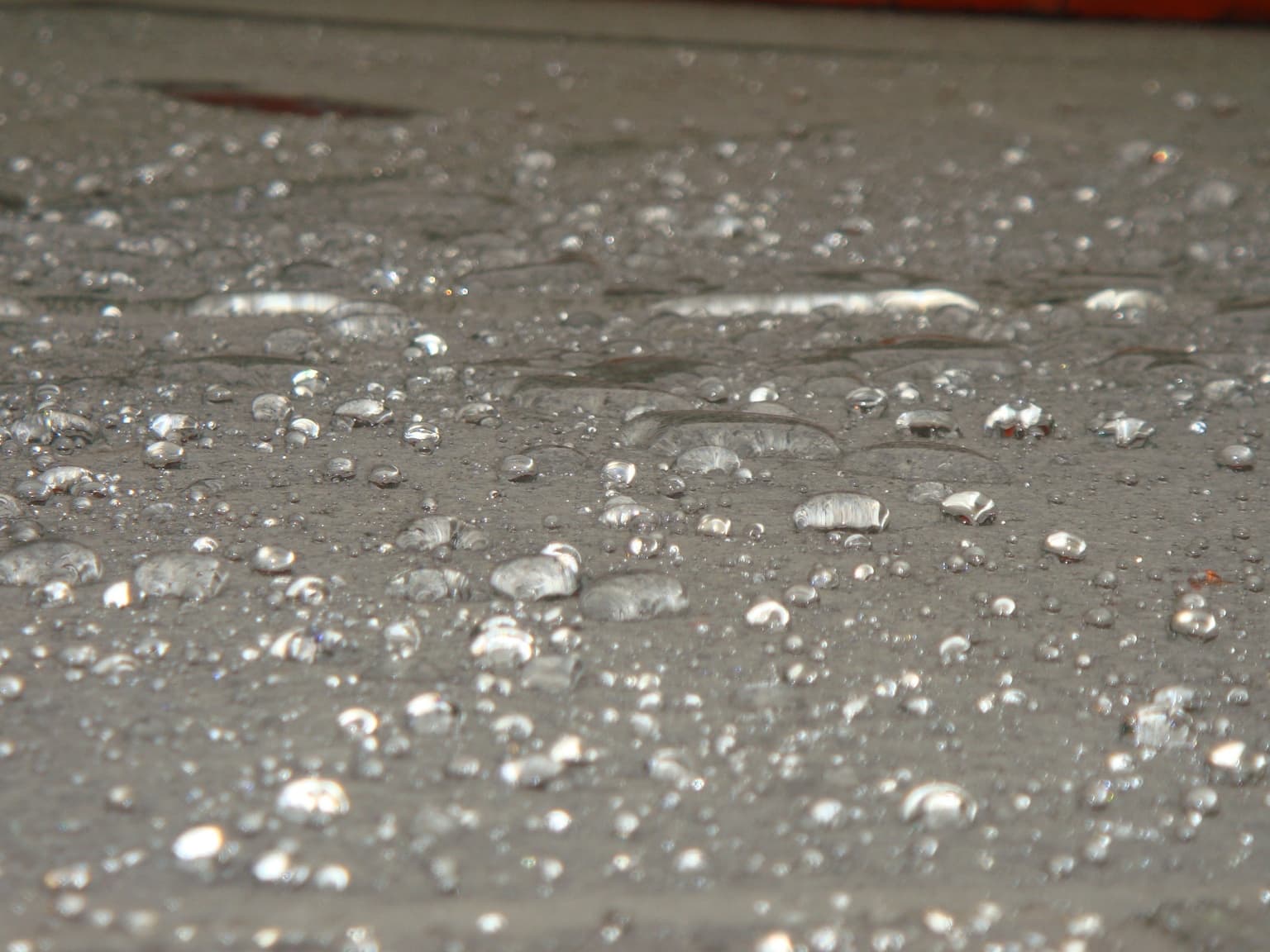
Exposed aggregate sealing · Queenstown
Exposed aggregate sealing in Queenstown.
Exposed aggregate sealing across Queenstown — driveways, patios, pool surrounds and architectural concrete. Our Paving Protect penetrating sealer enhances the natural colour of the aggregate while locking out moisture and frost damage.
Working in Queenstown
The local conditions that change how we work.
Exposed aggregate is a popular finish across premium Queenstown homes but it's particularly vulnerable to alpine winters when left unsealed. The cement matrix between aggregate stones is exposed by design — and it's also exposed to every frost cycle, every UV hour, and every drop of oil. A penetrating sealer dramatically slows the matrix erosion that otherwise leaves loose stones and a roughened surface within 5-7 years.
Whether it's a residential job, a commercial site or a heritage building, we adapt our method to the surface, the exposure and the season. Our team is on the ground in Queenstown Lakes weekly, call-outs to Queenstown are part of the normal schedule, not a special trip.
Queenstown suburbs covered
- Central Queenstown
- Frankton
- Kelvin Heights
- Jack's Point
- Arthurs Point
- Fernhill
- Sunshine Bay
- Dalefield
- Lake Hayes
- Closeburn
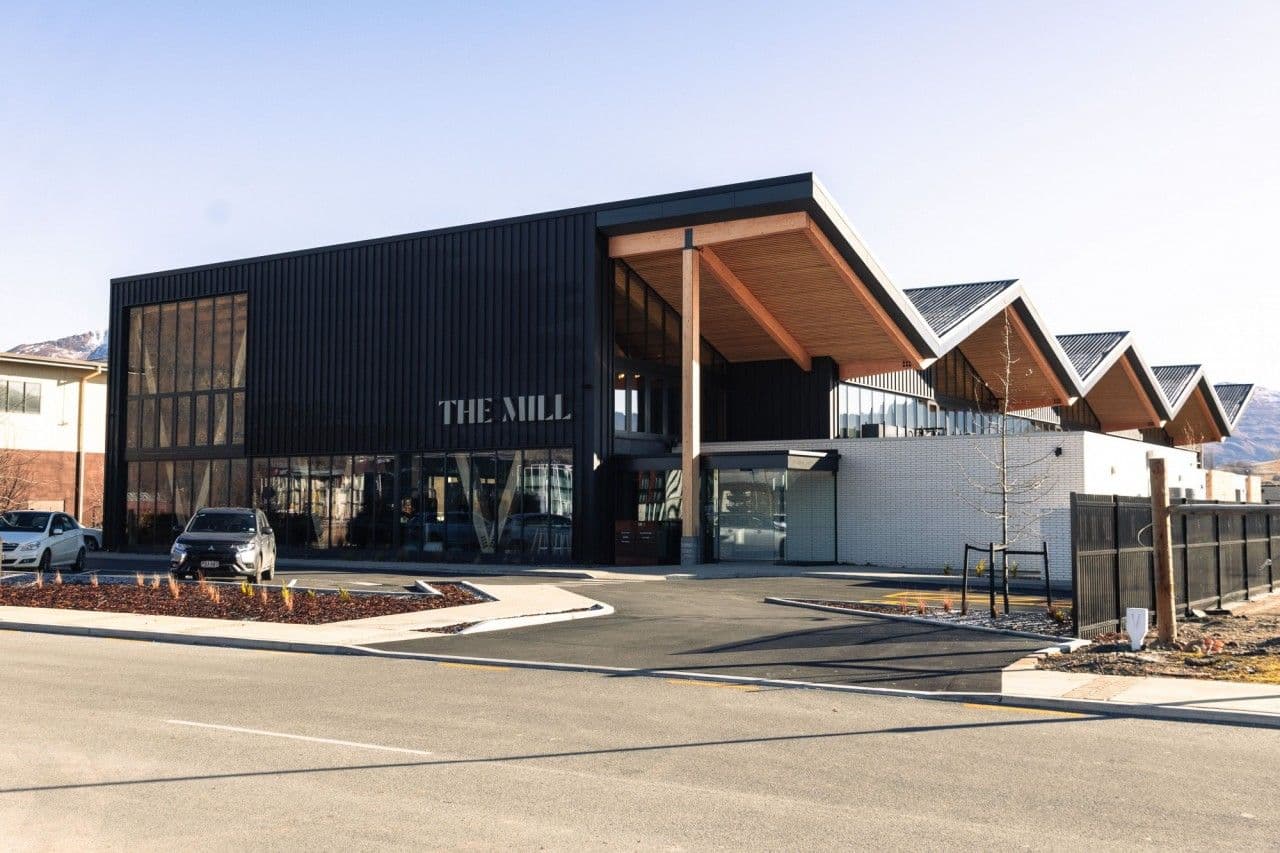
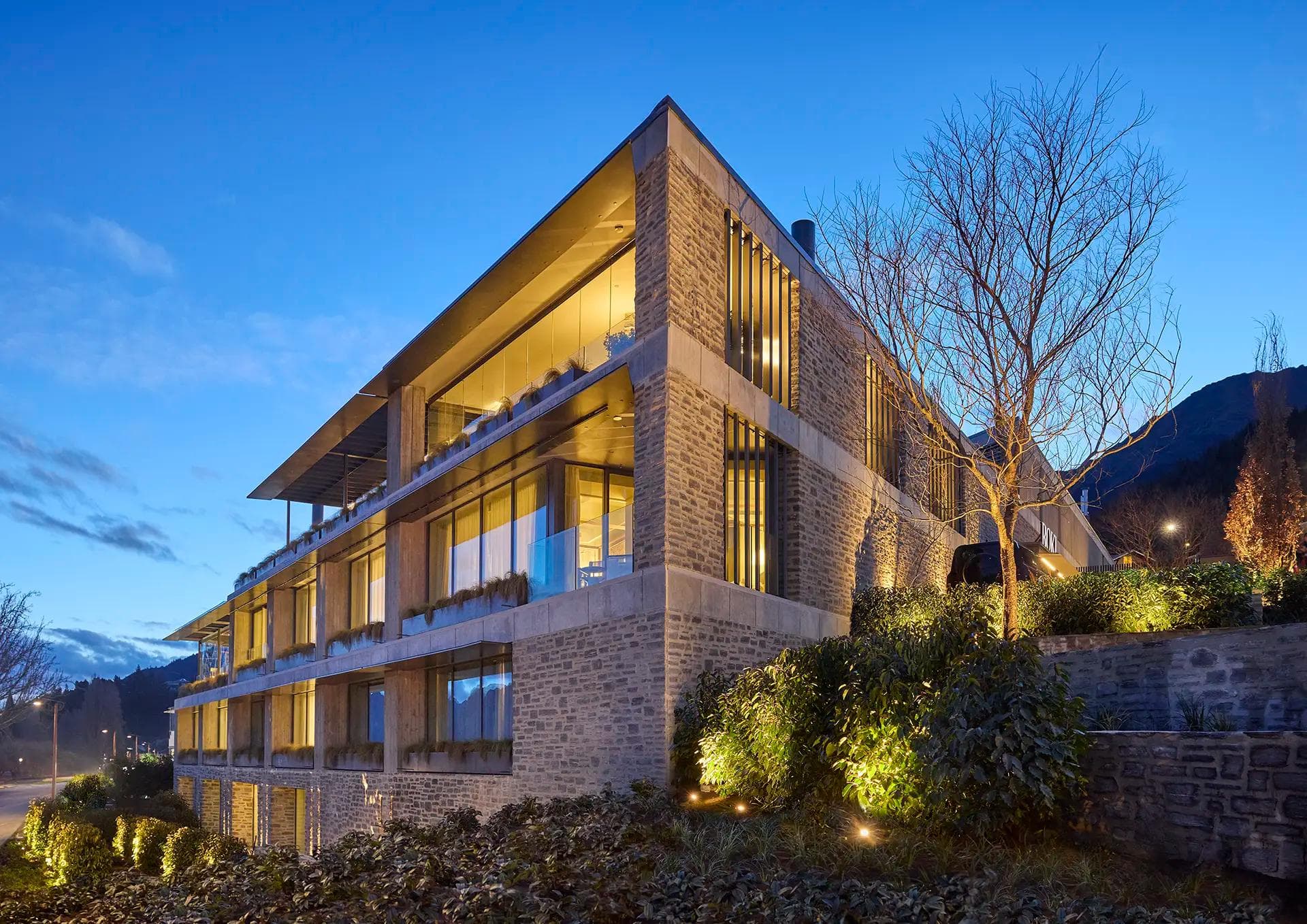
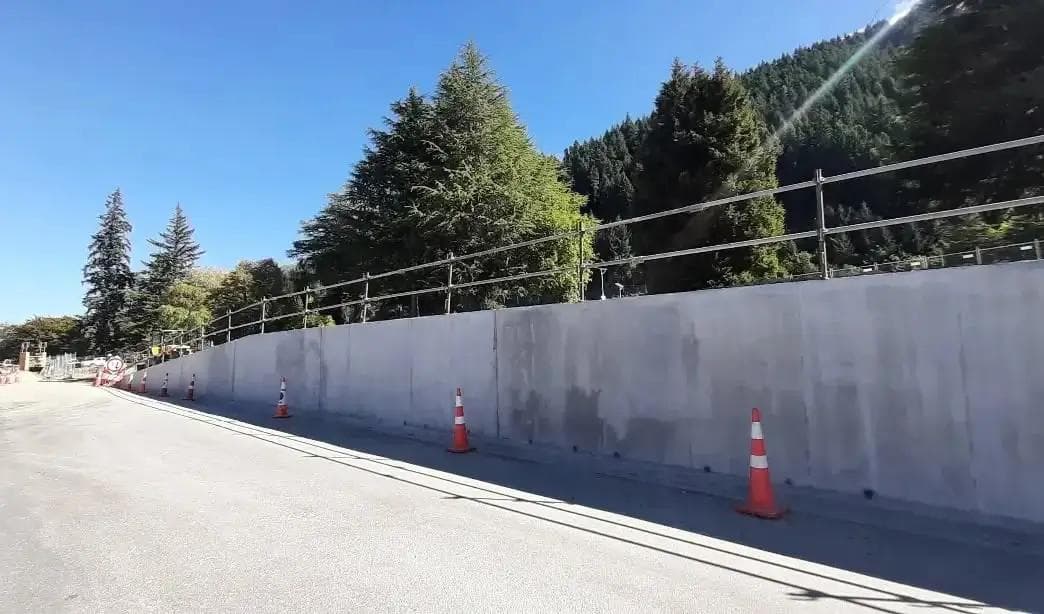
Recent in Queenstown
Work, locally.
Queenstown FAQs
Common local questions.
Will the sealer make my aggregate slippery?
Our standard application doesn't change slip-rating. For pool surrounds and high-wet-traffic areas we can add a slip-resistant additive that maintains grip in wet conditions.
Will sealing change the look of the aggregate?
It enhances the natural colour of the stones — they look slightly richer and more saturated, especially when wet-look depth is desired. The texture stays the same. It's a finish many clients actively prefer to the dull-looking unsealed aggregate.
How often does exposed aggregate need re-sealing in Queenstown?
Typically every 3-5 years. High-traffic driveways or areas with heavy frost exposure sit on the lower end of that range. We can do a quick water-bead test to confirm whether re-coating is due.
Can you seal aggregate that's already been damaged by years of unsealed weathering?
Yes, with caveats. Sealing doesn't repair existing aggregate loss, but it stops further damage and improves the appearance. For surfaces with significant aggregate loss, some restorative work may be worth doing first.