
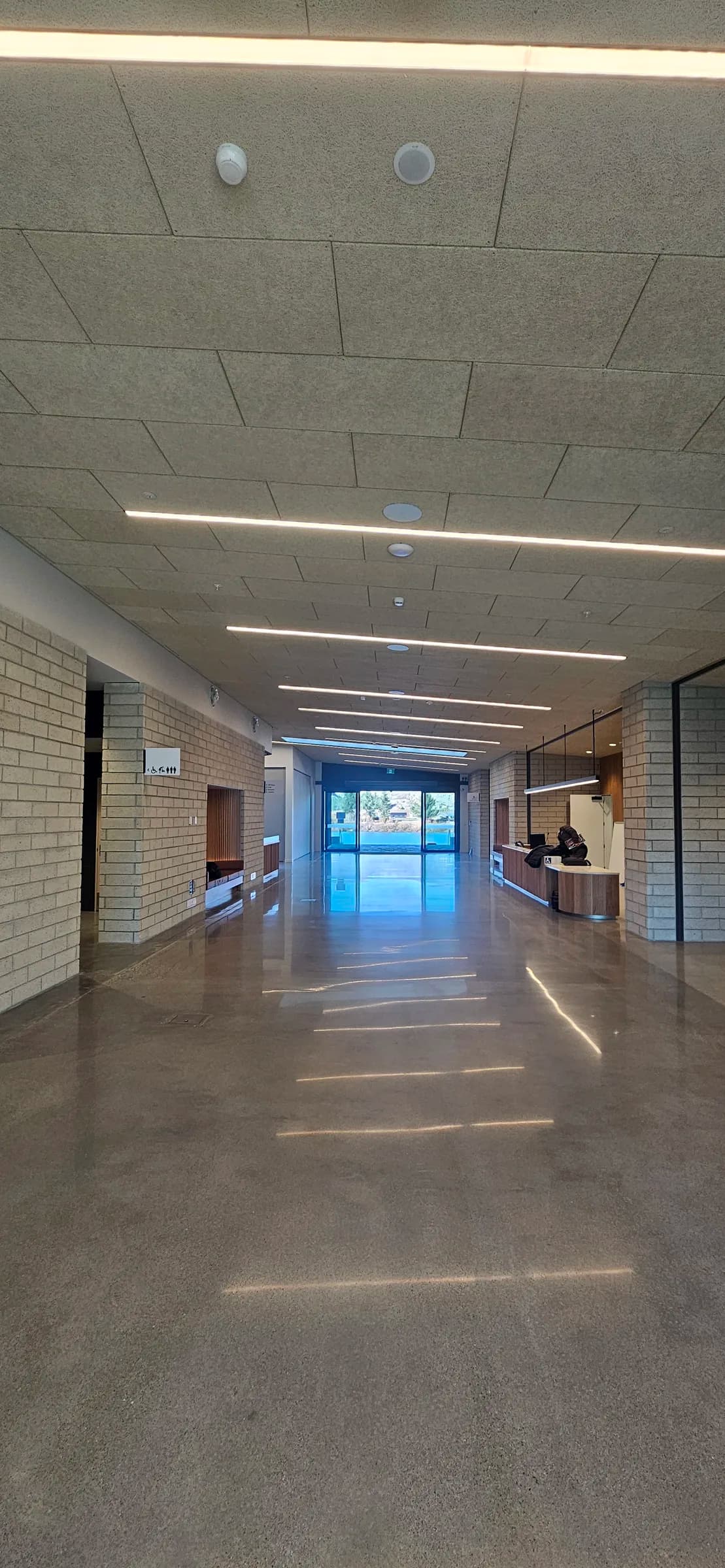
Brick sealing · Queenstown
Brick sealing in Queenstown.
Penetrating, breathable brick sealing across Queenstown — boundary walls, retaining walls, brick façades and architectural feature walls. Our Water Repel formulation stops moisture absorption while letting the wall breathe.
Working in Queenstown
The local conditions that change how we work.
Brick in Queenstown is constantly cycling water. Rain wets it, frost freezes the water inside the pores, the freeze expands and damages the brick from within. Even on dry-looking days the brick is wicking moisture from the ground or from above. A breathable penetrating sealer interrupts that cycle — water beads off the surface, internal moisture still escapes, and the brick stops being a moisture sponge.
Whether it's a residential job, a commercial site or a heritage building, we adapt our method to the surface, the exposure and the season. Our team is on the ground in Queenstown Lakes weekly, call-outs to Queenstown are part of the normal schedule, not a special trip.
Queenstown suburbs covered
- Central Queenstown
- Frankton
- Kelvin Heights
- Jack's Point
- Arthurs Point
- Fernhill
- Sunshine Bay
- Dalefield
- Lake Hayes
- Closeburn
Queenstown FAQs
Common local questions.
Will sealing my Queenstown brick wall change its appearance?
No. Water Repel is a penetrating sealer, not a film. It soaks into the brick without changing the colour or texture. You see the difference only when it rains — water beads off the surface instead of soaking in.
How long does brick sealing last?
On clay brick, typically 7-10 years before a re-coat is recommended. Block walls and softer substrates may need treatment every 5-7 years. We can do a quick water-bead test after a few years to check whether the seal is still working.
Will the seal cause my brick to trap moisture?
No — this is the most common misconception about brick sealing. Water Repel is breathable. Liquid water can't get into the brick from outside, but vapour can still move outward. The wall stays drier overall, which is the opposite of trapping moisture.
Can sealing prevent efflorescence on my brick?
It significantly reduces it. Efflorescence requires water moving through the brick to carry the salts to the surface. Less water in, less salt deposit. We typically clean any existing efflorescence first, then seal.
Related